
13 Jun Post Office Queue Oink Oink Oink Slot Government Waiting within UK
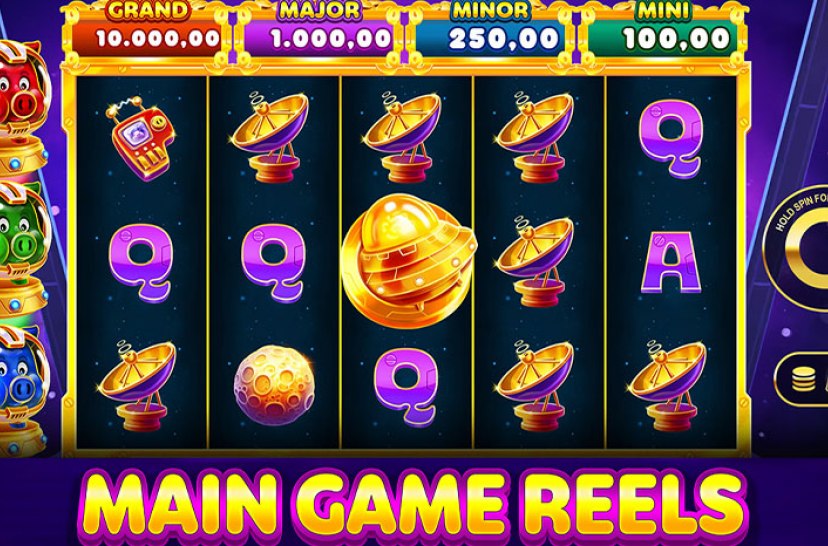
Anyone who’s waited in a British Post Office line will recognise a certain modern ritual https://oinkoinkoink.net/. You wait, holding a parcel or a document, and your hand moves to your phone. Before you notice, you’re not looking at a queue number but at a screen full of cartoon pigs and reels spinning. The expression “Post Office line Oink Oink Oink slot government wait” encapsulates this exact instant. It’s where the slow process of government tasks collides into the instant thrill of internet games. This article looks at that clash. We’ll go through the facts of service delays, the appeal of slot machines like Oink Oink Oink, and what occurs when people use one to get through the other.
Examining the Oink Oink Oink Slot’s Appeal
What makes certain game match the line so nicely? Its appeal is straightforward. The motif is cheerful beasts, a stark contrast from the stern wording of official documents. The workings are simple. Select a wager, click reel spin, observe the result. This immediate causality is satisfying exactly because government processes lack it. Elements such as bonus rounds provide a tiny dose of thrills that commences and concludes before you are summoned. For someone stranded in a Post Office for 45 minutes, these small cycles of fortune offer a mental diversion. They create an illusory sense of advancement. The player could not be moving forward in line, but something on the screen is constantly happening.
The Coming Era of Service Provision and Digital Diversion

The actual solution for the “Post Office queue” issue is to cut the line itself. If state services worked as efficiently as a well-designed shopping app—fast, intuitive, reliable—the need for distraction would decrease. Until that time comes, users will persist in using games to cope. We may see public spaces providing free WiFi that guides people toward current events or puzzles instead of betting sites. The insight for every service provider is this. In an era of on-demand digital pleasure, a lengthy wait isn’t just an annoyance. It’s a direct invitation for your user to vanish into their device, with the consequences that carries.
In what manner “Queue Gaming” Became a Nationwide Pastime
That represents the way “queue gaming” gained traction. Stuck in a waiting line or hearing waiting music calling a government service line, your smartphone becomes essential. Individuals don’t just gaze at the wall any longer. Players occupy the empty time with video slots. Games such as Oink Oink Oink works well. Its pig theme comes across as fun and playful. The gameplay asks for little to no thinking. You are able to play in twenty-second sessions, check as you move forward, then jump back in. This behavior marks a significant change. We now use paid entertainment to reclaim mastery of time that belongs to others. The implication is clear: if you’re going to take my hour, I will fill it in my own way.
Regulatory Viewpoints: Gaming and Social Responsibility
Utilizing gambling games as a universal distraction isn’t easy. The UK Gambling Commission enforces rigorous regulations: age checks, deposit limits, links to support groups. But the ease of access during tedious or stressful moments is a real concern. Responsible gambling ads say slots are for fun, not a solution for difficulties or a way to make money. The hazard is evident. The frustration arising from a two-hour Post Office wait could push someone to chase a win, aiming for a swift emotional or financial boost. It’s a signal that personal awareness counts, even during what feels like safe play to kill time.
The Truth of the Post Office Line in Contemporary Britain
The Post Office line is a reality of life for millions. It’s where you go to dispatch a birthday package, extend a car tax disc, withdraw a cheque, or provide a passport picture. In various towns, with banks long gone, it’s the sole place left for these direct transactions. The scene is well-known. A row of people, each holding a various small problem, edging forward every few minutes. Queue times can consume an hour or more, made worse by less branches and skeleton staff. This isn’t a trivial irritation. It’s a substantial portion of your day, wasted. That line is more than people; it’s a tangible representation of hold-up. You can observe your progress, but only in minuscule increments, a slow-motion dance with the government.
Understanding the “Government Wait” and Processing Delays
The “official delay” doesn’t finish at the Post Office door. It follows you home. It’s the eight-week wait for a new driving licence from the DVLA. It’s the months of silence after posting a tax return to HMRC. It’s the local council planning department that requires a season to answer an email. These processing times are now calculated in weeks, not days. The reasons are a tangled mix. Aging computer systems collapse under online demand. Pandemic backlogs never fully dissipated. Budget cuts leave departments shorthanded. For the person waiting, the effect is a constant low-grade anxiety. Life feels frozen on hold. You can’t plan, you can’t move forward, because you’re hoping for an envelope that may or may not come next Tuesday.
The Virtual Getaway: Growth of Instant-Play Slots like Oink Oink Oink
Against this backdrop of slow officialdom, online slots work at a distinct speed. Games like the Oink Oink Oink slot, which you can find at sites such as oinkoinkoink.net, provide a striking contrast. One minute you’re in a drab queue, the next you’ve tapped your phone and landed in a vivid, noisy farmyard. The appeal is all in the instant result. No waiting. You tap spin, the reels whirl for a second, and you know your fate. The games are built for simplicity and auditory reward. They have straightforward rules, unlike the confusing maze of government guidance. Here, the only authority is a random number generator, and it offers you an answer right away.
The mental difference separating waiting from gaming
The psychological divide between waiting and gaming is vast. Dealing with government waiting feels passive. You yield to a system that is invisible and uncontrollable. It fosters a nagging worry. Did I fill in box seven correctly? Have my documents been delivered? Playing a slot machine is a deliberate action. Each spin provides immediate feedback—a jingle, a flash of colour, a win or a loss. It gives you a fleeting feeling of control. This difference isn’t small. It reveals why your fingers itch for your phone during a long hold. The game eases the frustration by tickling the brain’s reward centres. It offers tiny hits of uncertainty and possible joy, making the clock on the wall seem to tick a little faster.
FAQ
What is meant by “Post Office line Oink Oink Oink slot government wait”?
It’s a phrase that sums up a modern British habit. It depicts killing time during long waits for Post Office or government services by playing online slot games like Oink Oink Oink on your phone. It highlights the clash between slow bureaucracy and fast digital distraction.
Is the Oink Oink Oink slot game lawful to play in the UK?
Certainly, if the website holds a current UK Gambling Commission licence. Operators like oinkoinkoink.net must verify a player’s age, offer tools like deposit limits, and give links to self-exclusion schemes to stay within the law for UK customers.
Why are Post Office and government waits so long in the UK?
A few key problems come together to create delays. Old computer systems have difficulty with new demand. Staffing levels haven’t rebounded from cuts and the pandemic. As more branches close, the remaining ones get busier. The result is a bottleneck where everything, from passports to tax forms, requires longer than it should.
Is it safe to play mobile slots like Oink Oink Oink in public?
Technically, yes, but you need to be smart. Avoid public WiFi; use your mobile data for a secure connection. Be mindful of who can see your screen. You don’t want strangers watching you enter passwords or seeing your balance. Remember, responsible gambling applies even on a bus or in a queue.

Does playing slots in a queue become a problem?
It can. Turning to gambling to ease boredom can turn it into a habit before you realize. Establish a firm limit on both time and money prior to opening the app. If you notice yourself playing to avoid stress or attempting to recover losses, that is a warning sign. Stop and search for resources from organizations like GamCare.
What are considered the alternatives to gambling while waiting for services?
Many options exist. Read a book or listen to a podcast. Use the time to go through your emails or arrange your weekly meals. Some government portals enable you to start other applications online. A few services even offer a callback option, letting you leave the queue and carry on with your day until they ring you.
The image of a Post Office queue paired with the Oink Oink Oink slot is a perfect picture of Britain today. It reveals our impatience with outdated public services and our talent for finding quick digital fixes. While slots offer a temporary break, they also bring to light a bigger issue. We need public administration that works better, so people do not feel the need to mentally check out. The goal should be services that respect your time as much as your favourite app does.
No Comments